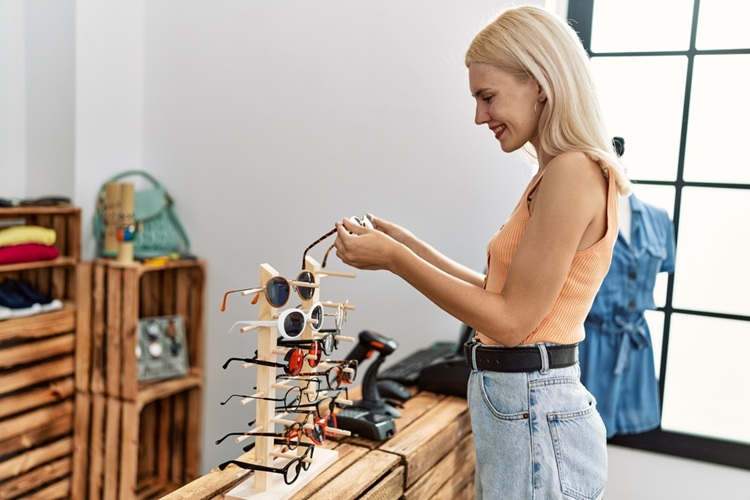
You’ll find them at any thriving retail store. They’re hanging near registers, perched on counters, spinning on displays. Store owners who’ve figured out this accessory game are watching their profits climb while barely lifting a finger.
Table of Contents
Why Sunglasses Make Perfect Sense
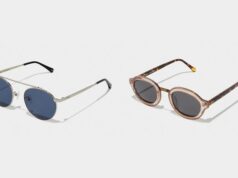
Here’s the thing about sunglasses; they solve problems people didn’t know they had until that exact moment. The sun hits their windshield during the morning commute. Beach trip next weekend? Another pair sold. Lost the good ones again? Time to buy replacements.
The math works out beautifully. A small display holds dozens of pairs. Each one costs pennies on the dollar compared to what customers happily pay. No refrigeration needed. No expiration dates. Just pure profit potential sitting there, looking stylish. Demographics? Forget about targeting specific groups. A five-year-old wants superhero frames, while Grandpa needs something that fits over his prescription glasses. The college student grabs trendy aviators. Mom picks up three pairs because she knows they’ll disappear within months. Everyone buys sunglasses.
Setting Up for Success
Placement can make or break your sunglass sales. That dead space by the register? Gold mine. People standing around, credit cards already out, nothing to do but browse. They spot a pair, try them on, toss them onto the counter with everything else. Some shops swear by the front-door approach. A customer walks in from the blazing sunshine immediately remembers they left their shades in yesterday’s jacket. Problem, solution, sale; all within ten feet of entering.
Mix up your inventory like you’re making a good playlist. Throw in some five-dollar basics for the budget crowd. Add mid-range options that look expensive but aren’t. Keep a few premium pairs for big spenders. Sports styles for the weekend warriors. Those weird, oversized ones that somehow keep selling. Variety stops the “nothing for me here” feeling.
Smart Sourcing Strategies
This is where plenty of retailers stumble. They overpay, understock, or pick suppliers who vanish after one order. Building relationships with established distributors changes everything. Take wholesale sunglasses from a company like OE wholesale sunglasses. They’ve spent years figuring out what moves off shelves. They supply retailers with inventory that customers genuinely want at prices that leave room for solid margins.
Testing beats guessing every time. Order twenty pairs, not two hundred. See what disappears fast. Notice what nobody touches. Your town may love mirrored lenses yet dislike tortoiseshell frames. The only way to know is to give it a shot. As patterns form, invest more in what’s working and cut what isn’t.
Handling Common Concerns
Staff training takes maybe ten minutes, tops. Show them how the hinges work, which styles suit different face shapes, and basic UV protection benefits. That’s it. No technical specs to memorize, no complicated features to explain. Worried about theft? Most sunglass displays come with simple locking mechanisms. Lost inventory usually happens from damage during try-ons rather than shoplifting, anyway. Returns? Rare. People know what they’re getting. If a pair breaks after a few months, customers typically just buy new ones rather than complain about their eight-dollar purchase.
Marketing Without the Headache
Sunglasses sell themselves when displayed right. Mirrors help, as nobody buys without checking their look. Decent lighting prevents that dim, cave-like atmosphere where everything looks wrong. Skip the fancy campaigns. A simple “New Styles!” sign works wonders. Summer special? Bundle them with sunscreen. Winter promotion? Package with ski gear. Keep it simple.
Conclusion
Sunglasses aren’t revolutionary. They’re just smart business. Low risk, high reward, and customers actually need them. While other retailers chase complicated trends, you could bank steady profits from something everybody loses, breaks, or forgets at home. Sometimes the best opportunities are hiding right in front of our faces. Preferably behind UV protection.